Phuket Real Estate and Thailand Tourism
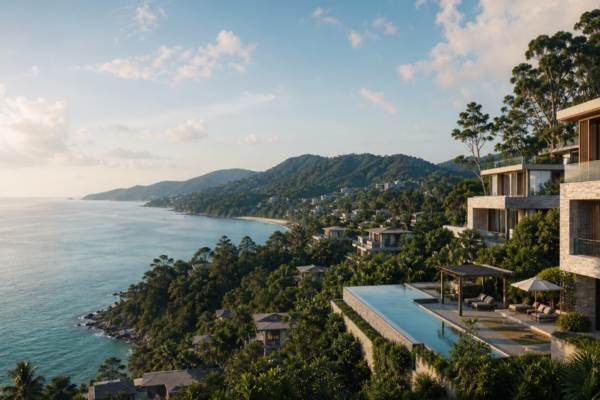
International buyers are becoming increasingly important to Thailand’s real estate market, the country is expanding its tourism audience, and Phuket is gradually evolving from a seasonal beach destination into a year-round destination for living, wellness, and long stays.
Here’s a look at the main news of the week and what it could mean for Phuket property buyers and investors.
Foreign Demand Supports Thailand’s Real Estate Market
Against a backdrop of weakening domestic demand, Thai developers are increasingly turning their attention to foreign buyers. This trend is particularly noticeable in the resort markets of Phuket and Pattaya.
According to market participants cited by The Nation, estimated returns on resort property are around 8–10% per year. However, these figures should be interpreted carefully: they represent market estimates, not guaranteed net returns for every property.
The actual return for an owner depends on many factors:
- location and property characteristics;
- purchase price;
- quality of the property management company;
- average occupancy;
- seasonality of demand;
- utility and operating costs;
- management fees;
- taxes, maintenance, and interior refurbishment.
Therefore, the stated 8–10% annual return should not automatically be considered an investor’s net profit. Returns need to be calculated separately for each property and rental model.
At the same time, the growing importance of international demand is a positive signal for Phuket. The resort remains highly attractive to foreign buyers, while developers are increasingly adapting their projects to meet their expectations.
Thailand Aims to Attract More Tourists from India
Thailand continues to develop the Indian tourism market. Authorities have confirmed a 30-day visa-free regime for Indian citizens and aim to attract around 2.7 million Indian tourists in the longer term.
Particular attention is being paid to family travel, affluent tourists, and large wedding groups. For Phuket, this represents a promising audience not only for the hotel sector but also for the property rental and sales markets.
The Indian market could support demand across several segments:
- spacious apartments and villas for family holidays;
- short-term rentals for wedding groups;
- premium resort properties;
- properties for repeat visits;
- real estate for lifestyle buyers and second-home owners.
This makes it possible to promote Phuket not only as an investment destination, but also as a comfortable place for regular holidays and extended stays.
New Program Could Support Tourism During the Low Season
Thailand is discussing the Thai Tiew Thai Plus domestic tourism stimulus program. It could include up to 500,000 subsidized trips, with compensation covering up to 50% of hotel accommodation costs, capped at THB 3,000 per entitlement.
The program is being proposed for an accelerated launch in order to support tourist destinations during the low season.
For investors, the key point is the overall direction of government policy: authorities are seeking to reduce tourism seasonality and support resort occupancy beyond the traditional November–March peak.
Such programs do not guarantee direct growth in rental income from apartments or villas. However, stronger domestic tourism demand can support restaurants, transportation, entertainment, and other infrastructure that contributes to the overall attractiveness of the resort market.
Tourism Forecast for the End of 2026 Improves
According to Kasikorn Research, the decline in international tourist arrivals to Thailand in 2026 may be less significant than previously expected. The high season and major events in the second half of the year are expected to provide additional support to the market.
For Phuket property owners, this is a reminder that an investment property should not be evaluated based on the results of a single month — especially if that month falls during the low season.
When assessing a property’s potential, it is important to consider:
- average annual occupancy;
- monthly rental-rate trends;
- booking duration;
- the share of tourists, expats, and long-stay tenants;
- the number of repeat guests;
- actual returns after all expenses.
A strong property should remain in demand not only during the New Year peak but also throughout the shoulder months.
Phuket Is Developing as a Wellness Destination
On August 14, the Tourism Authority of Thailand concluded the international Surf & Wellness Journey campaign, held in Phuket and Phang Nga. Its concept, “Healing is the new luxury,” brings together travel, sports, wellness, and a mindful lifestyle.
This trend demonstrates how Phuket’s tourism product itself is changing. The traditional model of “sea, hotel, and two weeks of vacation” is gradually being complemented by new lifestyle patterns:
- sports and health-focused activities;
- longer stays;
- remote work;
- family-oriented lifestyles;
- recovery and wellness programs;
- a combination of travel and everyday living.
As the audience changes, so does the type of property in demand. Buyers and tenants are increasingly paying attention to spacious layouts, fitness facilities, wellness infrastructure, green areas, workspaces, and amenities designed for long-term living.
For developers, this means creating not just attractive resort projects, but complete environments designed for everyday life.
Beach Safety Remains an Important Factor
Following a tragic incident at Freedom Beach, authorities temporarily restricted access to the beach and strengthened safety measures due to dangerous sea conditions during the low season.
This news is also relevant in the context of real estate. A professional assessment of a location should consider not only its appeal during the high season, but also living conditions throughout the year.
Phuket’s low season means:
- more frequent rainfall;
- stronger waves and sea currents;
- red flags and swimming restrictions;
- changes in road conditions;
- different levels of tourist activity;
- seasonal changes in everyday infrastructure.
Therefore, it is advisable to evaluate a location and property not only during a January viewing. Buyers should understand how comfortable it is to live, work, and get around there throughout different months of the year.
What Is Happening in the Phuket Market?
This week’s news highlights three key trends.
First, foreign buyers are becoming an even more important source of demand for Thailand’s real estate market.
Second, the country is expanding its tourism audience, with greater attention to India, wellness tourism, family travel, and the long-stay segment.
Third, the government is seeking to support resort destinations during the low season and reduce the industry’s dependence on just a few peak months.