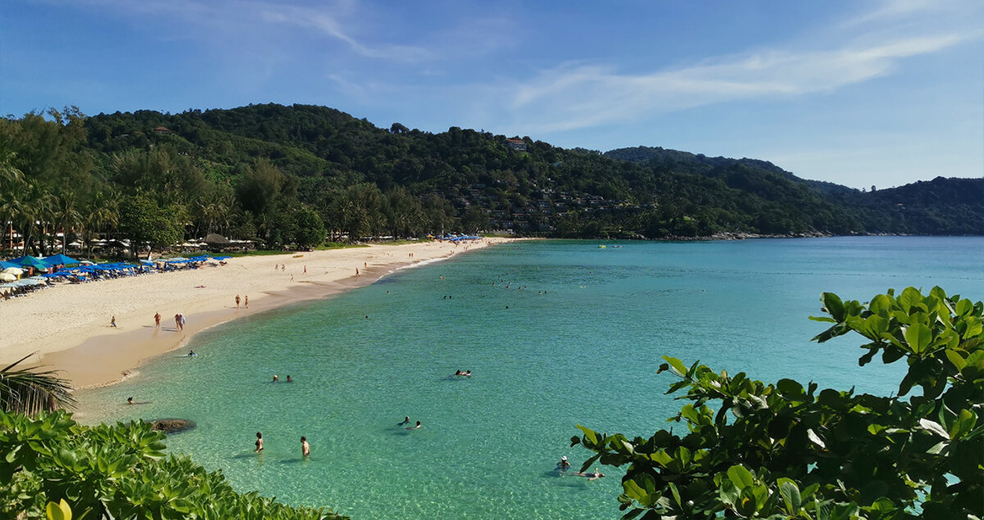
Why Phuket and Pattaya Are Among Thailand's Best-Selling Markets
Thailand's real estate market continues to attract investors from around the world. In 2025–2026, the regions of Phuket and Pattaya have established themselves as the country's two premier destinations for property purchases — both for rental income and permanent relocation. The country offers a stable economy, transparent legislation, a steady currency, and a high level of security, making it one of the most attractive places to buy property in Southeast Asia.
Steady Growth and Economic Stability
Thailand's economy demonstrates consistent GDP growth of 3–4% per year. The country attracts investment not only from the tourism sector but also from technology companies. The government is actively developing transport and tourism infrastructure: direct flights operate from almost every part of the world, including Europe and Australia. The Thai baht remains one of the region's most stable currencies, fluctuating within a narrow range of 31–32 baht to the dollar.
Against this backdrop, the real estate market is showing average annual price growth of 16%. The volume of foreign investment has grown by more than 40% over the past three years. The primary buyers are citizens of China, Australia, and Europe.
Legal Framework: Transparency and Investor Protection
Foreigners in Thailand may purchase condominium apartments in full ownership (freehold) — up to 49% of the total unit pool. The remaining share is available under long-term lease (leasehold) for 30 years, with the option to extend to 90. Property ownership through a Thai company is permitted on the mainland, however on the islands (Phuket, Samui) only freehold and leasehold are available. The Foreign Property Ownership Act has been in force since 1979 and provides a transparent title registration procedure through the Land Department.
Phuket: A Premium Resort with High Yields
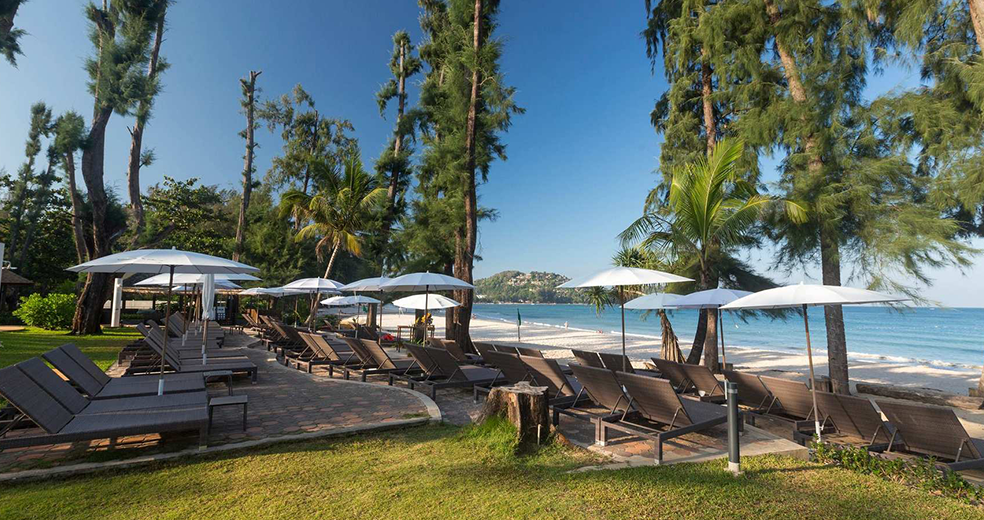
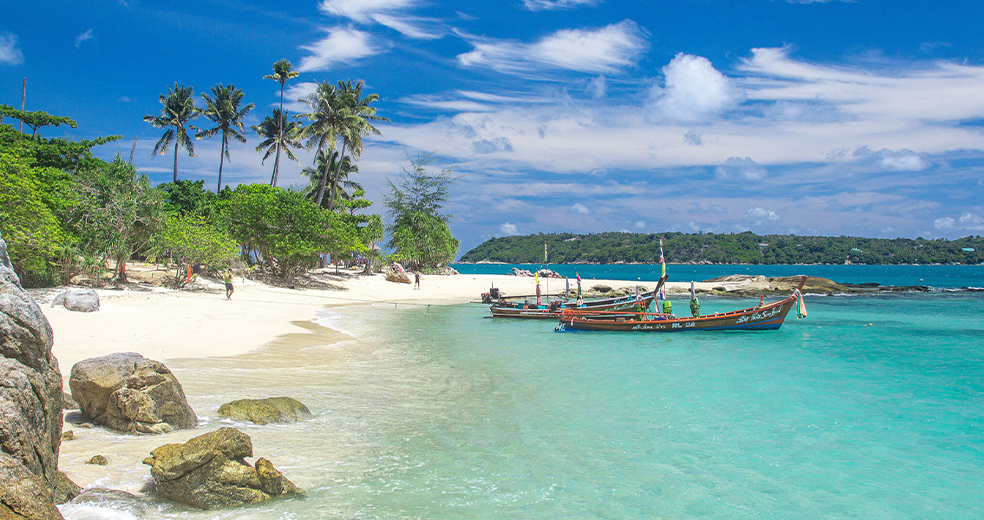
Phuket remains the country's primary tourist destination. In 2024, the island welcomed approximately 12 million visitors; in 2025, that figure rose to 14 million. The airport handles more than 300 flights daily, including 70 from Russia. Tourism sustains strong rental occupancy almost year-round.
Yields and Prices
Average rental yields reach 12% per annum, with price growth of up to 16% annually. The market entry threshold starts from $80,000 for a studio; one-bedroom apartments range from $100,000 to $150,000; villas from $250,000 to $500,000 and above.
Key Districts
Bang Tao remains the benchmark for a premium beachfront resort with branded hotels; Kamala is evolving into a "millionaires' zone" with a limited supply of top-tier villas; Rawai is becoming the hub for relocation and permanent residence, thanks to its peaceful environment and well-developed expat infrastructure.
Guaranteed Programs
Developers offer guaranteed returns of 5–8% per annum when the property is managed by a hotel operator. Owners may use the apartment for up to 30 days per year without affecting their payouts, and upon expiry of the guaranteed period may transition to self-managed rental or an extended management program.
Pattaya: A City of Opportunity and Capital Growth
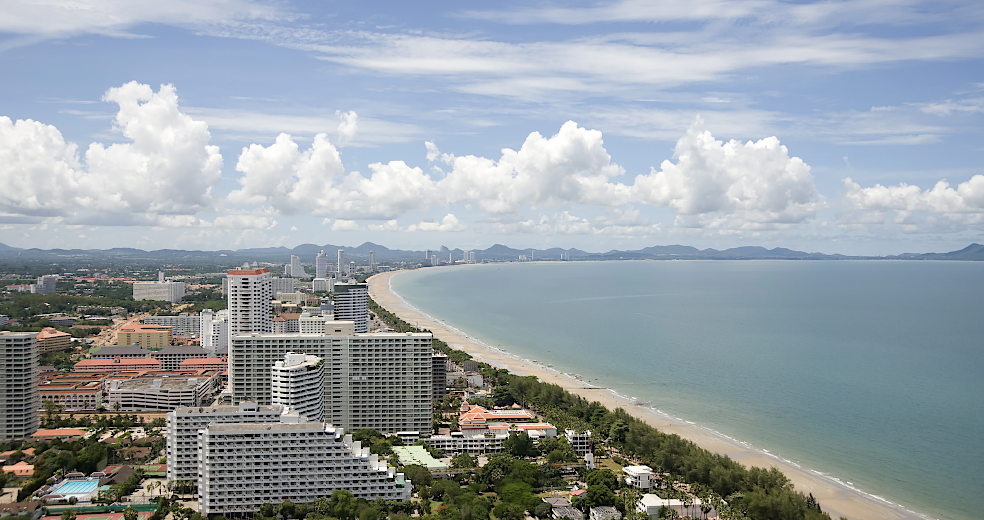
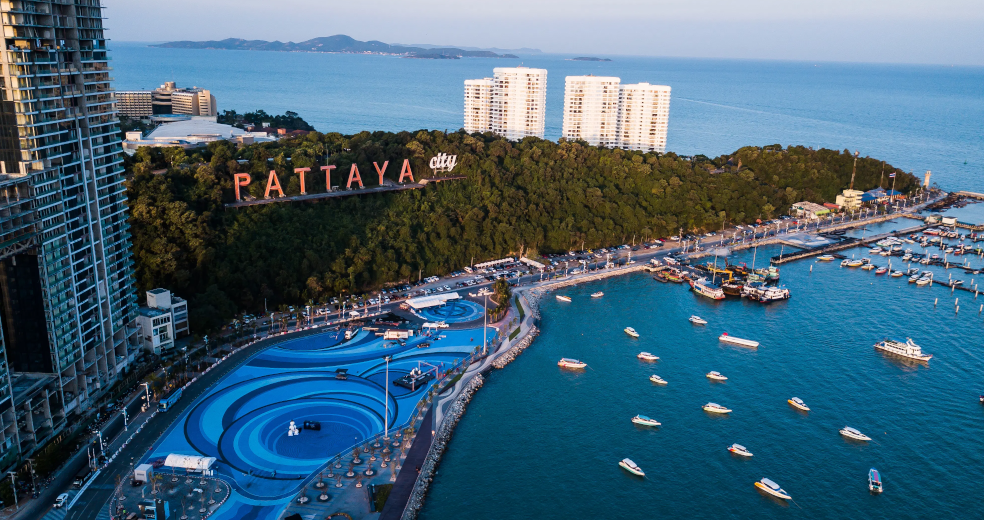
Pattaya is rapidly transforming from a tourist center into a business hub. There are no height restrictions, infrastructure is being actively developed, U-Tapao International Airport has been built, and a high-speed expressway and railway to Bangkok have opened. The government has invested approximately $45 billion in the region's development, making it one of the priority destinations for long-term investment.
Yields and Market Structure
Average rental yields range from 6–10% per year, and prices are lower than in Phuket, making the city attractive for investors with a smaller budget. Capital appreciation is driven by large-scale construction and strong demand from Chinese and European buyers.
Buyer Profile
Pattaya suits investors focused on capital growth and rental income in an urban setting. A new buyer segment has emerged — expats and professionals, as well as retirees obtaining long-term visas from the age of 50.
Taxes and Financial Policy
Rental income tax for non-residents stands at 15%. When ownership is structured through a management company, tax optimization is possible, with payouts available in various currencies including cryptocurrencies. The overall tax burden is considerably lower than in many countries, making investment in Thailand financially advantageous. Reduced rates apply on resale — particularly for long-term holdings.
Investment with Management and Support
Many developers and management companies take on full property maintenance and leasing, providing owners with a comprehensive range of services — from legal consultation to post-sale support. This approach makes the market accessible even for remote investors.
Agencies and partners are provided with marketing materials, presentations, video tours, and support at every stage of the transaction. Transparent commission structures and local teams in Phuket and Pattaya ensure responsive client service and on-the-ground assistance.
Conclusion
Thailand has consolidated its position as one of the most stable and profitable destinations for real estate investment. Phuket draws buyers with its high standard of living and premium developments; Pattaya with its accessible entry point and growth potential. Both destinations are recognized for their high tourist flows, steady income, and strong legal protection for investors.